Introduction
When it comes to transforming a space, the impact of color and texture can hardly be overstated. The choice of finish can either enhance or detract from the overall aesthetic, setting the tone for every room in your home. Whether you’re considering a cozy retreat or a vibrant social space, understanding the nuances of different finishes and textures is essential. That’s where expert interior painters come into play. In this article, we will explore various options available through professional painters, including how they can elevate your home’s interior with unique textures and finishes.
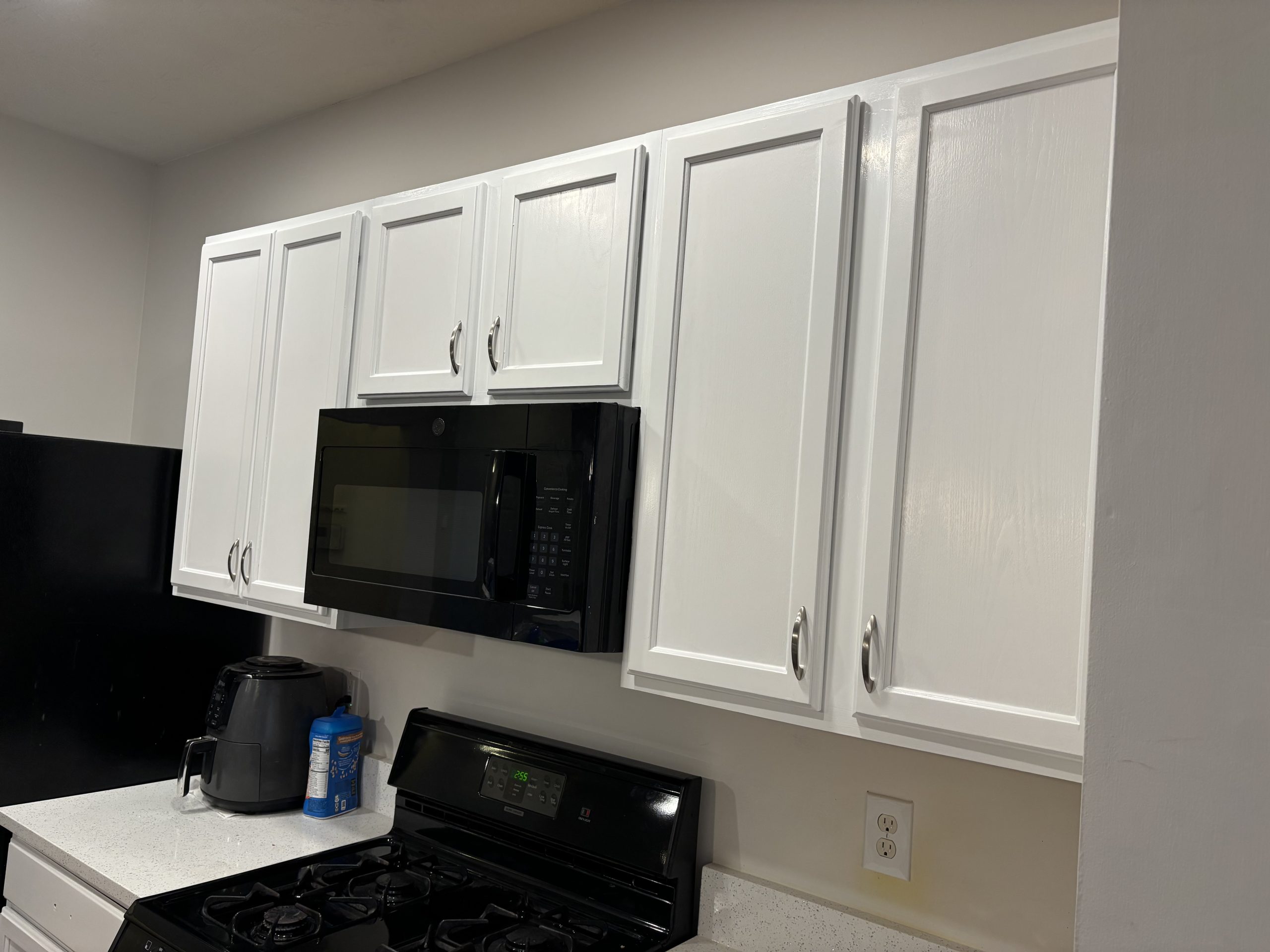
Exploring Different Finishes and Textures with Expert Interior Painters
When we talk about interior painting, we're diving into a world that goes far beyond mere color selection. The finishes—whether matte, glossy, satin, or textured—play an integral role in defining the atmosphere and functionality of your living spaces. Why should we focus on these aspects? Because the right finish can make walls appear more expansive, hide imperfections, and even change how light interacts within a room.
Understanding Paint Finishes
What Are Paint Finishes?
Paint finishes refer to the sheen levels produced by specific types of paint. From high gloss to flat finishes, each has its own unique characteristics that affect durability, maintenance, and visual appeal.
Different Types of Paint Finishes
Flat Finish:- Ideal for ceilings and low-traffic areas. Hides wall imperfections but is less durable.
- Slightly more reflective than flat; great for living rooms. Offers moderate washability.
- Perfect for kitchens and bathrooms with good moisture resistance. Easier to clean than eggshell while providing a soft sheen.
- Popular for trim work and moldings due to its durability. Reflects light well, making spaces appear brighter.
- Extremely reflective; used in high-end designs. Very durable but requires meticulous surface preparation.
Why Choose an Expert Interior Painter?
Experience Matters
When it comes to applying different finishes effectively, expertise is key. Professional painting contractors know when to use certain techniques to achieve desired effects that DIY enthusiasts might overlook.
Quality Materials Ensure Lasting Results
Top-notch painting companies invest in high-quality paints that not only look great but also last longer. This means fewer touch-ups down the line!
Textures: More Than Just Aesthetic Appeal
What Are Textured Paints?
Textured paint adds depth to walls through various techniques like sponging or rag rolling. It can transform something ordinary into something extraordinary!
Common Texturing Techniques Used by Interior Painters
Sponging: Creates a soft texture by dabbing paint with a sponge. Rag Rolling: A fabric rag is rolled over wet paint for a mottled effect. Stippling: Involves using brushes or sponges to create small dots of color.Choosing the Right Texture for Your Space
Consider Room Functionality
How do you envision using each room? For example:
- Living Rooms: Consider softer textures that invite relaxation. Kitchens: Opt for smooth surfaces that are easy to clean.
Consultation with Professional House Painters
Before making decisions on texturing techniques, consult with experienced house painters who can offer insights based on their experience in various environments.
Color Selection: How It Interacts with Texture
Complementary Colors and Textures Work Wonders
Choosing colors isn’t just about personal preference; it's also about how those colors interact with different textures! For instance:
- Light colors can amplify light reflection on a semi-gloss finish. Dark colors may absorb light but provide richness when paired with certain textures.
The Role of Lighting in Finishing Choices
Natural vs Artificial Light Considerations
Lighting plays a vital role in how finished walls appear throughout the day:
- Natural Light: Enhances glossy finishes. Artificial Light: Can alter perceptions of color; thus testing samples under both types is crucial.
FAQs
1. What are some common mistakes homeowners make when choosing paint finishes?
Homeowners often underestimate how much sheen affects appearance! They may choose glossy paints for all surfaces without realizing they may highlight imperfections instead of hiding them.
2. How often should I repaint my interiors?
painting contractorsTypically every 5–7 years depending on wear-and-tear factors like sunlight exposure or humidity levels in certain rooms.
3. Do I need special tools for textured painting?
Yes! Tools like rollers specifically designed for texture application can help achieve desired looks efficiently.
4. Can I mix different finishes in one room?
Absolutely! Mixing various sheens can create depth but be careful not to create chaos—focus on complementary styles!
5. How do I clean textured walls without damaging them?
Use gentle cleaning methods—mild detergents mixed with water typically do wonders without harming texture integrity!
6. Is hiring professional interior painters worth it?
Definitely! While DIY might seem tempting initially, professionals have invaluable expertise on achieving long-lasting results that add value to your home.
Conclusion
In conclusion, exploring different finishes and textures with expert interior painters opens up endless possibilities for enhancing your living environment. Whether you're looking for smooth elegance or rich texture variations, understanding what each finish offers will empower you to make informed choices tailored specifically to your space's needs.
Investing time into researching painting contractors will ensure you find reliable professionals who prioritize quality work—transforming your vision into reality! So let’s get started on creating an interior that resonates beauty while reflecting individual style through perfect blends of color and texture!
By leveraging insights from this comprehensive guide about "Exploring Different Finishes and Textures with Expert Interior Painters," you’ll undoubtedly feel prepared as you embark upon this rewarding journey toward beautifying your home interiors!